Article
May 3, 2026
Healthcare Digitalization
Every hospital wants to "go digital." But what does that actually mean? More devices? More dashboards? More alerts that nobody has time to review? Real digitalization isn't about adding technology. It's about removing friction. And in heart failure care, friction kills.

Digitalization isn't tablets in waiting rooms.
It's knowing which patient is about to decompensate before they call the clinic in a panic.
Let me tell you what digital transformation actually looks like on the ground:
Dr. Rodriguez runs a heart failure unit with 150 patients. Before remote monitoring, his team spent hours on phone triage—patients calling about symptoms they couldn't interpret, nurses trying to decide who needed to come in urgently versus who could wait.
Now? His dashboard flags the three patients whose hemodynamic parameters shifted overnight. Not the 12 who forgot to take their morning weight. Not the 8 whose blood pressure cuff malfunctioned. The three who matter.
That's digitalization. Not more work. Different work.
A 2024 analysis of healthcare AI transformation found that hospitals implementing automated monitoring systems achieved efficiency gains of 20-30%. But here's what those numbers actually mean in real life:
Fewer 3 AM emergency calls. Because the system caught the problem at 9 AM when the care team could intervene proactively.
Fewer panicked patients unsure if they should go to the ER. Because their device sends data to clinicians who decide what's urgent.
Fewer clinicians drowning in alerts that don't matter. Because AI filters noise before it reaches human eyes.
But here's the paradox of digital health: most systems make things harder, not easier.
Patients get devices that require charging, syncing, calibrating. They receive data they can't interpret—"Your impedance is elevated. What does that mean? Should I call someone?"
Clinicians get dashboards with 47 data points per patient, color-coded alerts for every parameter, and no clear hierarchy of what demands action now versus what can wait.
The result? Digital fatigue. Alarm fatigue. And eventually, people stop using the system altogether.
At Sensocor ML, we ask a different question: What if technology disappeared into the background?
What if the patient's daily routine was 30 seconds—simple, non-invasive, no confusion about what the numbers mean?
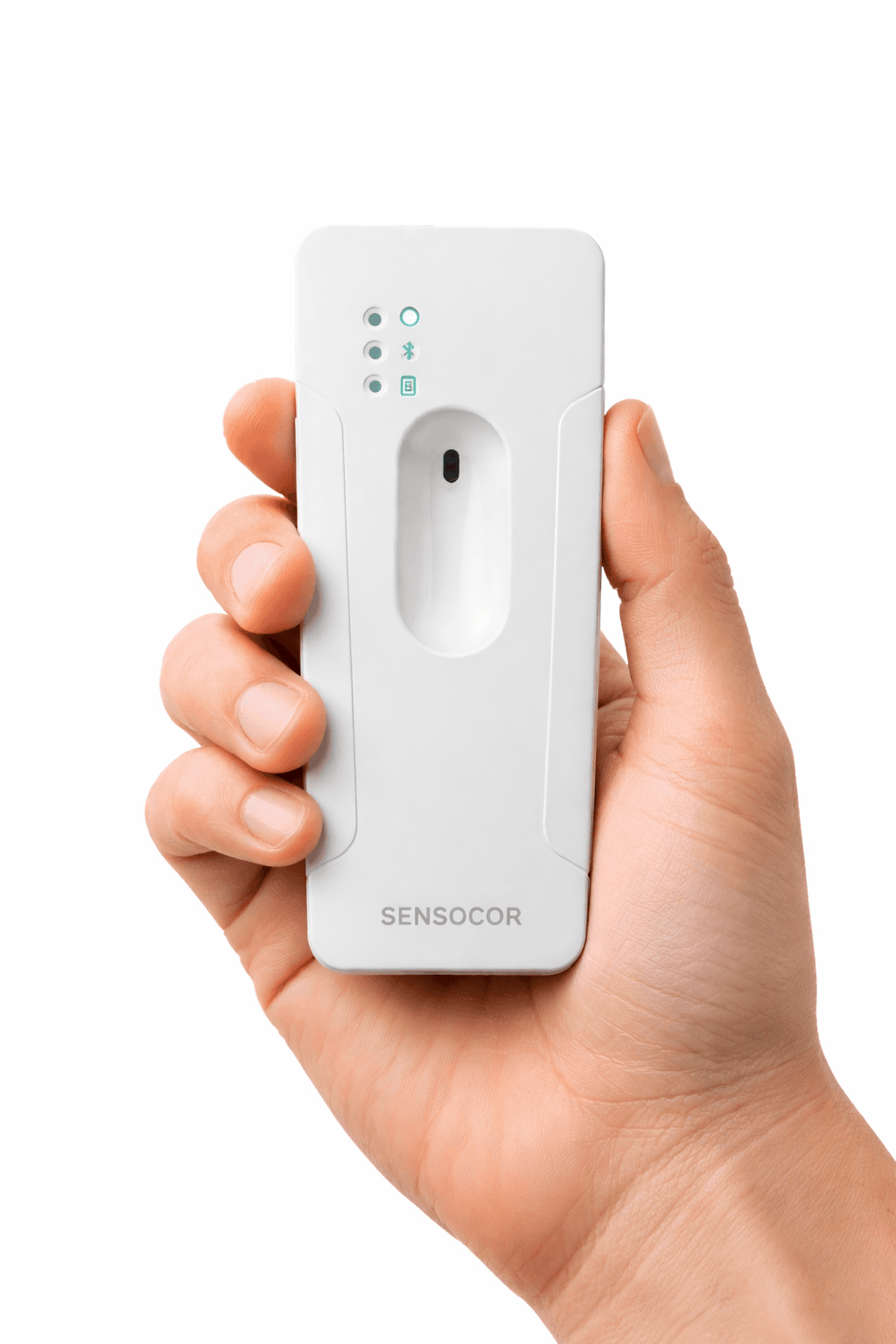
What if the clinician's dashboard surfaced insights, not raw data? Early hemodynamic changes that predict deterioration, not every fluctuation in heart rate.
We combine mechanical biomarkers with AI to detect patterns that matter. The patient uses a simple device. The care team gets actionable intelligence. No panic. No noise. No 47-parameter dashboards.
Because digitalization done right should feel invisible. The patient shouldn't feel monitored—they should feel supported. The clinician shouldn't feel overwhelmed—they should feel informed.
That's the difference between digital transformation and digital clutter.
The healthcare systems getting it right aren't the ones with the most technology. They're the ones where technology serves the workflow, not the other way around.
So here's the real question:
Are your clinicians spending less time on low-value tasks and more time on complex decision-making? Or are they just managing a different kind of inbox?
Are your patients more confident in their self-management? Or more anxious about numbers they don't understand?
Because if digitalization means "more screens, more alerts, more confusion," we're not transforming care. We're just making everyone busier.
And busy isn't the same as better.
Sources: